How VW Develops Cutting-Edge Racing Tech

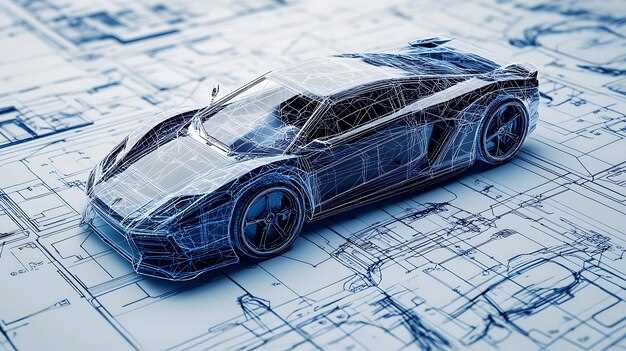
In the fiercely competitive realm of motorsport, the integration of cutting-edge technology is essential for success. Volkswagen (VW) has positioned itself at the forefront of this evolution, consistently pushing the boundaries of engineering and innovation. By leveraging the latest advances in tech, VW is reshaping the landscape of racing performance and sustainability.
The journey of VW into advanced racing technology is marked by a commitment to research and development. Through collaboration with engineers and tech experts, the company has pioneered solutions that enhance vehicle dynamics, improve aerodynamics, and optimize engine performance. This holistic approach not only elevates the capabilities of their race cars but also sets new benchmarks for the automotive industry as a whole.
As we delve deeper into VW’s innovative strategies, it’s clear that the brand’s investment in cutting-edge tech is driving significant advancements in racing technology. From electric powertrains to lightweight materials, the advancements made by Volkswagen serve as a testament to their dedication to both speed and environmental responsibility.
Enhancing Aerodynamics for Competitive Edge

Innovation in aerodynamic design plays a crucial role in enhancing the performance of racing vehicles. Advanced racing technology development is heavily focused on optimizing airflow around the car body to minimize drag and maximize downforce. By leveraging cutting-edge computational fluid dynamics (CFD) techniques, engineers can simulate aerodynamics in real-time and make data-driven decisions to improve the vehicle’s shape.
One of the key areas of focus is the development of active aerodynamic systems. These systems utilize tech such as adjustable wings and diffusers that automatically adapt to changing driving conditions, enhancing stability and grip during high-speed maneuvers. By precisely tuning these components, engineers can provide drivers with a substantial competitive advantage on the track.
Moreover, materials science innovations are revolutionizing aerodynamic efficiency. Lightweight materials such as carbon fiber not only reduce the overall weight of the vehicle but also allow for more intricate designs that can better manage airflow. This synergy between advanced materials and aerodynamic shapes leads to improved lap times and better fuel efficiency.
Furthermore, the integration of sensors and telemetry systems allows teams to collect real-time data on aerodynamic performance. This information can be used to refine car setups and inform strategic decisions throughout a race weekend, ultimately enhancing the overall racing experience and competitive edge.
In conclusion, the continuous pursuit of aerodynamic innovation within the realm of racing technology is essential for teams looking to dominate the competition. By embracing cutting-edge methodologies and leveraging state-of-the-art tech, racing engineers are pushing the boundaries of what is possible on the track.
Integration of Electric Powertrains in Racing Models

The automotive industry is currently witnessing a transformative shift driven by the integration of electric powertrains in racing models, particularly showcased by innovations from VW. This evolution not only enhances performance but also aligns with sustainability goals, a crucial aspect in modern motorsports.
Electric powertrains deliver instantaneous torque, providing racing vehicles with remarkable acceleration characteristics. This is a significant advantage during races, where every millisecond counts. The efficiency of electric motors allows teams to optimize their energy usage on the track, leading to strategic advantages in endurance events and sprint races alike.
Incorporating electric powertrains requires advanced tech solutions, from battery management systems to regenerative braking technologies. VW‘s commitment to research and development has resulted in cutting-edge innovations that maximize battery life and performance, ensuring that these racing models can compete effectively without compromising on speed or agility.
Moreover, the integration of electric powertrains enhances the overall aerodynamics of racing cars. With fewer mechanical components and a more compact design, engineers are able to optimize the vehicle’s shape for improved airflow, resulting in better handling and speed. This trend is evident in VW‘s latest racing prototypes, which showcase a harmonious blend of aerodynamics and electric propulsion.
The shift towards electric powertrains also opens new avenues for collaboration and competition among manufacturers. As the race for electric supremacy intensifies, teams can leverage shared knowledge in battery technology, software development, and charging infrastructure. VW, being a frontrunner in this sphere, is setting benchmarks that others in the industry strive to reach.
In conclusion, the integration of electric powertrains in racing models not only represents an evolution in performance but also a commitment to sustainability. As VW continues to innovate in this domain, the future of racing is likely to witness further advancements, positioning electric vehicles at the forefront of motorsport technology.
Data Analytics and Performance Optimization in Motorsports
The integration of data analytics in motorsports has transformed how teams approach performance optimization. VW, a leader in automotive innovation, utilizes advanced data analytics to extract insights from vast amounts of information generated during races and testing sessions. This data-driven approach is pivotal in enhancing vehicle performance, driver efficiency, and overall team strategy.
One of the core areas where data analytics plays a crucial role is in real-time telemetry. Teams collect data from various sensors installed in the vehicle, measuring parameters such as speed, tire temperature, fuel efficiency, and engine performance. By analyzing this data in real-time, VW can make informed decisions regarding race strategies, tire choices, and pit stop timings, allowing for agile adjustments during competitive scenarios.
Predictive analytics further augments performance optimization by forecasting potential issues before they arise. By employing machine learning algorithms, VW analyzes historical data to identify patterns and anomalies, thus enabling teams to anticipate failures or suboptimal performance conditions. This proactive approach minimizes downtime and maximizes competitive advantage, showcasing how innovation in data analytics is crucial to success in motorsport.
Additionally, data analytics facilitates driver performance assessment. By analyzing individual driving styles and their impact on lap times, teams can provide tailored feedback to drivers. VW utilizes video analysis combined with telemetry data to help drivers refine their techniques, ultimately enhancing their performance on the track. This synergy between technology and human skill is instrumental in achieving optimal results.
Moreover, data analytics extends beyond race day operations. During the development phase, insights derived from simulations and data gathered during testing help engineers fine-tune vehicle dynamics and aerodynamics. VW’s commitment to innovation ensures that every aspect of the vehicle is optimized for peak performance, ensuring a competitive edge in a highly demanding environment.
In summary, the use of data analytics in motorsports exemplifies how VW leverages innovation to enhance performance optimization. By harnessing the power of data, teams can make strategic decisions, improve driver techniques, and refine vehicle performance, solidifying their standing at the forefront of the racing industry.


