Driver Fitness and Nutrition in Motorsport


In the high-octane world of motorsport, the performance of a driver extends beyond their technical skills and understanding of the vehicle. Physical fitness plays a crucial role in ensuring that drivers can endure the intense demands of racing, requiring them to maintain peak performance under extreme conditions. Understanding the strategies behind driver nutrition and fitness is essential for anyone looking to thrive in the competitive arena of motorsport.
Racing not only tests the limits of speed but also challenges the mental and physical resilience of the driver. The effects of G-forces, prolonged concentration, and varying temperatures can take a significant toll on the body. Therefore, fitness strategies tailored for racing must focus on strengthening core muscles, enhancing cardiovascular endurance, and promoting flexibility. These elements are critical in helping drivers maintain stability and control during high-speed maneuvers.
Equally important is the aspect of nutrition, which directly influences a driver’s ability to perform at their best. Proper nutrition supports energy levels, reduces fatigue, and aids in recovery after racing events. Understanding the right balance of macronutrients and maintaining hydration is vital for drivers, as it impacts their focus and overall performance on the track. In this article, we will explore effective fitness strategies and optimal dietary practices that drivers can adopt to excel in the exhilarating world of motorsport.
Sports Nutrition Plans Tailored for VW Racing Drivers
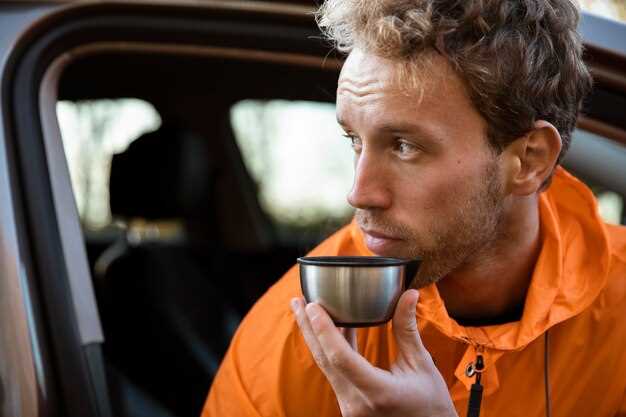
VW racing drivers face unique challenges that demand a specialized approach to nutrition and fitness. The high-stress, high-intensity nature of motorsport requires drivers to maintain peak physical condition while ensuring optimal performance in their vehicles. A tailored sports nutrition plan is crucial for meeting the specific needs of these athletes.
First and foremost, hydration is a key component in VW racing. Drivers often experience intense heat during races, leading to significant fluid loss. A comprehensive hydration strategy should include electrolyte-rich drinks to replace lost minerals and maintain stamina throughout the event.
Balanced macronutrient intake is essential for sustained energy levels. Carbohydrates serve as the primary fuel source, and VW drivers should focus on complex carbohydrates, such as whole grains, fruits, and vegetables, to provide long-lasting energy. Additionally, lean proteins are vital for muscle recovery and repair, while healthy fats support overall function and energy production.
Specific meal timing can enhance performance. Pre-race meals should be consumed 3-4 hours before the event, emphasizing carbohydrates and low in fats and proteins to prevent digestive discomfort. During races, quick-access snacks, like energy gels or bars, can help maintain energy levels without causing gastrointestinal issues.
Post-race recovery is equally important. Consuming a recovery meal rich in carbohydrates and protein within 30 minutes of finishing can expedite muscle recovery and replenish glycogen stores. Incorporating anti-inflammatory foods, such as berries and leafy greens, can also help reduce soreness and support overall recovery.
In conjunction with nutrition, a structured fitness regimen is vital for VW racing drivers. Focused strength training, cardiovascular conditioning, and flexibility exercises contribute to enhanced endurance and reaction times. This combination not only aids in performance but also reduces the risk of injury during races.
In summary, a sports nutrition plan tailored for VW racing drivers incorporates hydration strategies, balanced macronutrient intake, meal timing, and recovery protocols. Coupled with a dedicated fitness regimen, these elements work together to prepare drivers for the physical demands of racing, ensuring they remain competitive and healthy on the track.
Specific Fitness Regimen for Endurance in Motorsport

In motorsport, especially in endurance racing, maintaining peak physical condition is crucial for drivers. A dedicated fitness regimen not only enhances performance but also helps drivers manage the physical and mental demands of long races. The regimen focuses on various aspects, including cardiovascular fitness, strength training, flexibility, and mental resilience.
Cardiovascular fitness is particularly important for endurance racing, as it enables drivers to sustain high levels of concentration and energy over extended periods. Activities such as running, cycling, and swimming are excellent choices to build endurance. Aiming for at least 4-5 cardio sessions per week, with varying intensities, can significantly improve stamina.
Strength training complements cardiovascular endurance by fortifying the muscles used in racing. Core strength is essential, as a strong core stabilizes the body during high-speed maneuvers. Incorporating exercises like planks, squats, and deadlifts into a weekly regimen can enhance muscle endurance and overall power output. Training sessions should focus on maintaining functional strength, with an emphasis on heavy weights and low repetitions to build explosive power.
Flexibility training also plays a vital role for drivers. Improved flexibility enhances range of motion, which is crucial for handling the physical demands of steering and braking in high-performance vehicles like VW racing cars. Incorporating yoga or dynamic stretching into workouts can help prevent injuries and aid in muscle recovery after rigorous training sessions.
Mental resilience is an often-overlooked component of fitness in motorsport. Techniques such as visualization, mindfulness, and breath control can help drivers manage stress and maintain focus during long races. Regular practice of these mental exercises allows drivers to develop coping mechanisms for intense pressure scenarios on the track.
In summary, a comprehensive fitness regimen for motorsport endurance includes cardiovascular training, strength enhancement, flexibility, and mental conditioning. These elements collectively prepare drivers to perform at their best across the grueling demands of racing. Adopting such a targeted approach not only improves finishing times but also ensures that drivers remain sharp and capable throughout the duration of every race.
Recovery Techniques for VW Racers After Competitive Events
Recovery is a crucial aspect of a driver’s overall fitness and performance in motorsport. For VW racers, implementing effective recovery techniques after competitive events can significantly enhance physical well-being and prepare the driver for future races. Below are some essential recovery strategies tailored for VW racers.
Hydration plays a vital role in recovery. After intense racing, drivers should rehydrate by drinking water and electrolyte-rich fluids to replenish lost minerals. This practice helps maintain optimal muscle function and reduces fatigue. Failing to hydrate properly can lead to decreased performance in subsequent events.
Post-race nutrition is another critical element. Consuming a balanced meal that includes carbohydrates, proteins, and healthy fats aids in muscle recovery and replenishes energy stores. A common recommendation is to eat within 30 minutes after racing to maximize nutrient absorption and support recovery efforts.
Active recovery exercises, such as light jogging, cycling, or stretching, can promote blood circulation and help alleviate muscle soreness. These low-intensity activities are effective in flushing out lactic acid and facilitating muscle repair, allowing drivers to recover faster and improve their fitness levels.
Rest and sleep are equally important. Ensuring adequate sleep helps the body recover and repair itself post-race. Drivers should aim for 7-9 hours of quality sleep to optimize recovery and mental focus for upcoming competitions.
Incorporating techniques such as foam rolling and massage therapy can relieve muscle tension and enhance flexibility. These methods effectively reduce the risk of injury, preparing the driver physically and mentally for the next racing challenge.
Lastly, mental recovery should not be overlooked. Engaging in mindfulness practices or visualization techniques can help drivers decompress and reset mentally after the adrenaline-filled experience of racing. This approach fosters a strong mental state and enhances performance, creating a well-rounded recovery strategy.


